9 Questions to Ask Before Hiring a Pressure Cleaning Team
Townsville's tropical climate is tough on exterior surfaces. High humidity, intense UV, monsoonal rain, red dust and salt-laden air near the Strand and Magnetic Island combine to leave driveways, roofs, pool surrounds and house walls covered in mould, mildew, algae and grime. Pressure cleaning is one of the most effective ways to restore these surfaces and protect your investment, but the results depend heavily on who does the work. Used incorrectly, high-pressure water can etch concrete, strip paint, force water behind cladding and damage roof tiles. These nine questions will help you separate skilled operators from risky ones before you commit.
1. Are You Licensed, Insured and Properly Registered?
Start with the basics. A reputable pressure cleaning business should hold a current Australian Business Number (ABN) and carry public liability insurance, ideally with cover of at least $5 million to $10 million. Ask to see the certificate of currency, and check that it is up to date. If a worker is injured on your property or your home is damaged, insurance is what stands between you and an expensive dispute.
If the job involves working at height, such as cleaning a two-storey home or a roof, ask whether the team follows current Queensland workplace health and safety requirements, including fall protection and safe ladder or scaffold use. Roof work in particular carries serious risk, and a professional team will have documented safety procedures.
2. What Experience Do You Have With Surfaces Like Mine?
Not all surfaces respond to pressure cleaning in the same way. Concrete driveways can handle high pressure, but pavers can lose their sand jointing, timber decks can become furry and splintered, and rendered walls or older paint can be damaged easily. Roofs made of concrete tiles, terracotta or Colorbond steel each need different techniques and pressure settings.
Ask about the team's experience with your specific surface and how they adjust their approach. A knowledgeable operator will talk about pressure settings, nozzle selection and when a soft wash method is a better choice than high pressure. If you get a one-size-fits-all answer, treat it as a warning sign.

3. Which Cleaning Method Will You Use: High Pressure or Soft Washing?
This question reveals a lot about a contractor's expertise. High-pressure cleaning works well on hard, durable surfaces like concrete paths, driveways and garage floors. Soft washing uses low pressure combined with appropriate cleaning solutions to treat mould, algae and lichen on delicate surfaces such as roofs, painted walls, fly screens and timber.
In Townsville, where mould and algae regrow quickly in warm, humid conditions, soft washing with a suitable biocide can kill growth at the root rather than just blasting off the surface. That often means cleaner results that last longer between treatments. A good team will explain which method suits each part of your property and why.
4. What Chemicals and Detergents Do You Use?
Many pressure cleaning jobs involve sodium hypochlorite, surfactants or specialised degreasers. Used properly, these are effective and safe. Used carelessly, they can harm plants, pets, painted surfaces and metal fixtures. Ask what products the team uses, how they protect your garden, and how they manage runoff.
This matters especially in Townsville, where stormwater drains lead to creeks, wetlands and ultimately the Great Barrier Reef lagoon. Responsible operators prevent contaminated wash water from entering stormwater drains and, where required, capture and dispose of it appropriately. Ask whether they pre-wet and rinse vegetation, cover sensitive plants and use biodegradable products where possible. A contractor who takes environmental responsibility seriously is more likely to take care with your property too.
5. Can You Provide a Detailed, Written Quote?
Vague verbal estimates often lead to misunderstandings. A professional quote should clearly list the areas to be cleaned, the methods used, any additional treatments such as mould prevention or sealing, and the total price including GST. Ask whether the price is fixed or based on hourly rates, and whether there are extra charges for travel, water supply or difficult access.

Be cautious of prices that are far below the others you receive. Unusually cheap quotes can indicate skipped steps, inadequate insurance, poor equipment or inexperienced staff. Equally, the most expensive quote isn't automatically the best. Compare what is included, not just the bottom line.
6. Do You Have References, Reviews and Examples of Past Work?
Established local businesses should be able to point to a track record. Check Google reviews, Facebook pages and independent directories for consistent feedback about punctuality, communication and quality. Ask for before-and-after photos of jobs similar to yours, and if possible, speak with a recent customer.
Look at how the business responds to criticism too. Professional, constructive replies to negative reviews suggest a company that stands https://griffinngye931.zenbloomer.com/posts/a-landlord-x27-s-guide-to-end-of-lease-exterior-pressure-cleaning behind its work. Local knowledge also counts. A team that has worked on Townsville homes understands the effects of tropical weather, red soil staining, rust marks from bore water and the way mould returns in the wet season.
7. Do You Guarantee Your Work?
Ask what happens if you are not satisfied. Many quality operators offer a satisfaction guarantee, agreeing to return and fix missed spots or uneven cleaning at no extra charge. Find out how long the guarantee lasts and whether it's in writing.
Also ask about damage. Even careful professionals can occasionally encounter problems such as loose tiles, cracked render or weak seals that were already failing. A reliable team will inspect the property beforehand, point out existing issues and explain how they will handle any damage that occurs. Being upfront about this protects both parties.
8. What Equipment Do You Use and What Do You Need From Me?
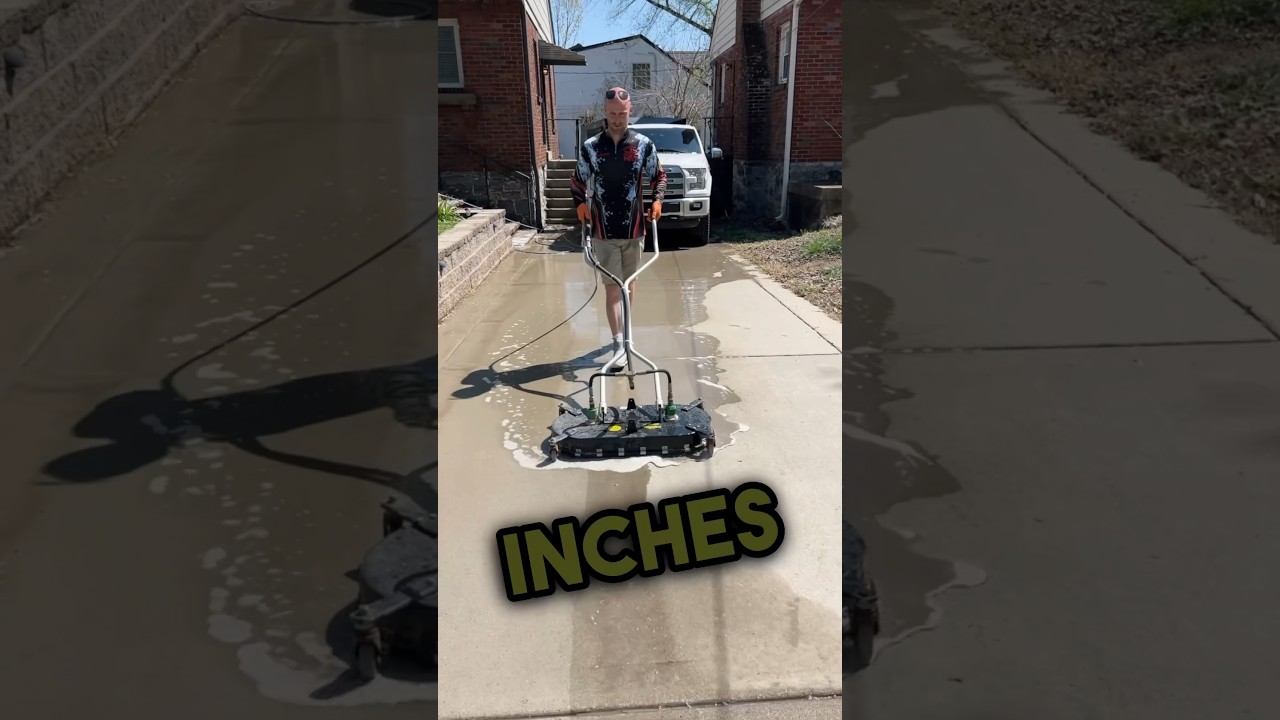
Professional-grade equipment makes a visible difference. Commercial pressure washers with adjustable pressure, surface cleaners for large flat areas and appropriate pumps and hoses deliver faster, more even results than consumer machines. Ask whether the team brings its own water supply or relies on yours, and whether they use hot water for oil and grease stains.
Clarify your own responsibilities as well. You may need to move vehicles, outdoor furniture and pot plants, close windows and doors, and secure pets. Ask whether electrical outlets and light fittings will be protected, and whether the team needs access to an outdoor tap. Understanding the process in advance prevents delays on the day.
9. How Do You Handle Weather and Scheduling?
Townsville's weather can shift between scorching dry spells and heavy wet-season downpours. Ask how the business handles rain delays and whether rebooking is free. Also ask how long the job should take and when you can expect the surfaces to be ready for use. Some treatments, such as sealing, need dry conditions and curing time before foot or vehicle traffic.
Timing can affect results. Many homeowners schedule cleaning in the dry season, from roughly May to October, when surfaces dry quickly and sealers cure better. Cleaning before the wet season can also make sense if you want to apply a mould inhibitor ahead of the humid months. A thoughtful contractor will recommend a schedule based on your goals rather than simply the next available slot.
Key Points to Remember When Comparing Quotes
Once you have asked these questions, compare the answers side by side. Look for contractors who are transparent, confident and willing to explain their methods without pressure. A few quick checks can help you decide:
- Insurance and safety: Current certificates and clear safety practices should be provided without hesitation.
- Method and chemicals: The approach should match your surface, with environmental care built in.
- Written quote and guarantee: Costs, inclusions and after-service support should all be documented.
- Local reputation: Genuine reviews and familiarity with Townsville conditions are strong indicators of reliability.
Why Choosing the Right Team Pays Off
Professional pressure cleaning does more than improve appearance. Removing mould, algae and built-up grime helps prevent slippery surfaces, reduces long-term wear on roofs and paintwork, and can lift your property's presentation if you plan to sell or rent in 2026 and beyond. Clean driveways, paths and walls also make it easier to spot cracks, leaks or other maintenance issues early.
Taking a few minutes to ask these nine questions can save you money, protect your home and deliver results that last. In a climate as demanding as Townsville's, the right pressure cleaning team will understand the conditions, use the right methods for each surface and stand behind their work. Choose carefully, and your property will look better, stay cleaner for longer and be better protected through every season.
Pressure Washing Townsville
(07) 4801 0339